 Health & Safety Policy — Penge Skip Hire
Purpose: This Health and Safety policy sets out the commitment of Penge Skip Hire to protect the health, safety and welfare of all employees, contractors, visitors and members of the public affected by our operations. Our aim is to ensure safe waste and skip hire services throughout the rubbish company service area, promoting safe working practices, preventing accidents and reducing environmental harm.
Introduction and Scope
Scope: This policy applies to all activities associated with skip hire, waste collection and removal, and site management across our service footprint. It covers routine collections, temporary on-site skip placement, vehicle movements, customer sites and depot operations. The document outlines organisational responsibilities, risk control measures, training and monitoring processes relevant to waste removal in the service area.
 The company recognises legal and moral obligations to comply with applicable health and safety legislation and relevant codes of practice. We are committed to continuous improvement, and to ensuring that safety procedures are integrated into all aspects of operations — from load handling and manual lifting to the transportation of non-hazardous and controlled wastes. This policy supports safe rubbish collection service area activities and demonstrates our approach to managing risks associated with refuse management and skip hire.
Responsibilities and Leadership
Management Responsibilities: Senior management will ensure that resources, systems and training are provided to achieve a safe working environment. Managers must conduct and document risk assessments, enforce safe operational standards, and ensure that vehicles and equipment are maintained.
Operational and Individual Duties:
- Supervisors will monitor daily operations, ensure compliance with safety procedures and investigate incidents.
- Drivers and Operatives must follow safe driving protocols, secure loads correctly and wear appropriate personal protective equipment (PPE).
- Employees have a duty to take reasonable care of their own safety and that of others, report hazards and co-operate with safety measures.
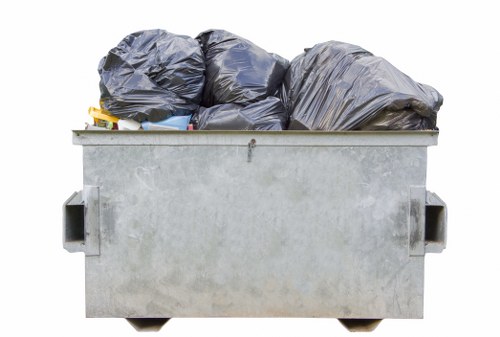 Training and Competence: All staff engaged in skip delivery, rubbish collection or waste management will receive recognised induction training, refresher courses and task-specific instruction. Training includes manual handling, vehicle safety, correct loading and unloading procedures, and identification of hazardous materials. We emphasise the importance of competence for all operatives working in the local rubbish service area to maintain consistent, safe standards across operations.
Risk Assessment and Safe Systems of Work: The company will carry out and record formal risk assessments for all activities. Control measures will be implemented using the hierarchy of controls: elimination, substitution, engineering controls, administrative actions and PPE. This includes segregation of waste types, secure stacking in skips, use of mechanical aids and clearly defined exclusion zones during collection and placement.
Vehicle and Depot Safety: Vehicles will be inspected pre-shift, maintained to required standards and operated by trained drivers. Traffic management procedures will be used at depots and on customer sites to protect operatives and the public. All lifting equipment and tail-lifts will be subject to statutory inspections and records retained. Strong emphasis is placed on safe driving practices while servicing the rubbish company service area.
Waste Handling and Hazardous Materials: Where potentially hazardous materials are encountered, staff will follow strict handling protocols. Controlled wastes (e.g., contaminated soil, asbestos suspect materials, chemical wastes) must be identified, segregated and transferred to authorised facilities. Operatives will not accept loads they reasonably suspect contain hazardous substances and will seek guidance through the prescribed escalation routes.
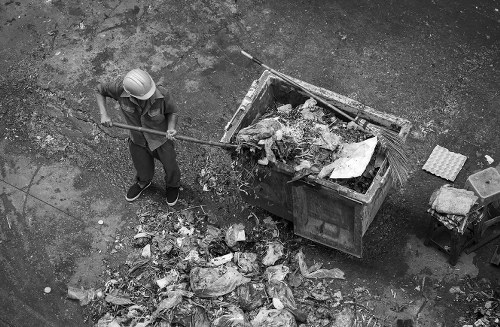 Emergency Procedures and Incident Response: Emergency procedures are in place for spills, vehicle incidents, fire and medical emergencies. All operatives are trained to raise the alarm, secure the scene, use spill kits appropriately and to contact emergency services when necessary. Incidents, near misses and environmental releases must be reported immediately, recorded and investigated to prevent recurrence.
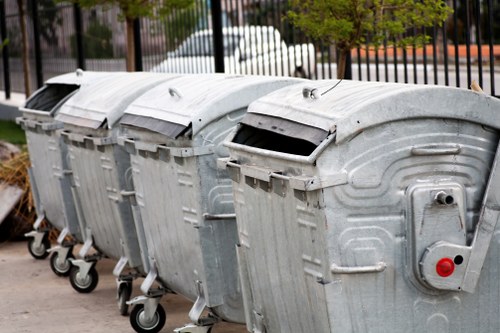 Reporting, Investigation and Corrective Action: The company uses a formal incident reporting system. Investigations will identify root causes and corrective actions. Lessons learned will be shared in toolbox talks and safety briefings. Disciplinary action may be taken for deliberate breaches of safety procedures; conversely, positive safety contributions will be recognised.
Monitoring, Review and Continuous Improvement: Performance is monitored via regular audits, workplace inspections and safety meetings. Key performance indicators include incident frequency, near-miss reporting rates and completion of training. This policy will be reviewed annually or following significant operational changes, accidents or legislative updates to ensure it remains suitable and effective for the rubbish and skip hire service area.
Commitment and Sign-off
The organisation is committed to allocating sufficient resources to implement this policy effectively. All employees are expected to support the requirements within this policy and work proactively to maintain a safe working environment. Through consistent action, training and leadership, Penge Skip Hire aims to deliver safe, reliable and compliant waste services throughout the service area.
Policy Review: This policy is endorsed by senior management and will be endorsed and reviewed to ensure ongoing suitability. Employees are encouraged to raise safety concerns through the established reporting channels so that the company may take prompt and effective action.
Equality and Wellbeing: Safety measures are applied fairly and consistently and are mindful of worker wellbeing. Reasonable adjustments will be made where necessary to support employees with health conditions or disabilities, ensuring they can work safely within the rubbish company service area frameworks.